

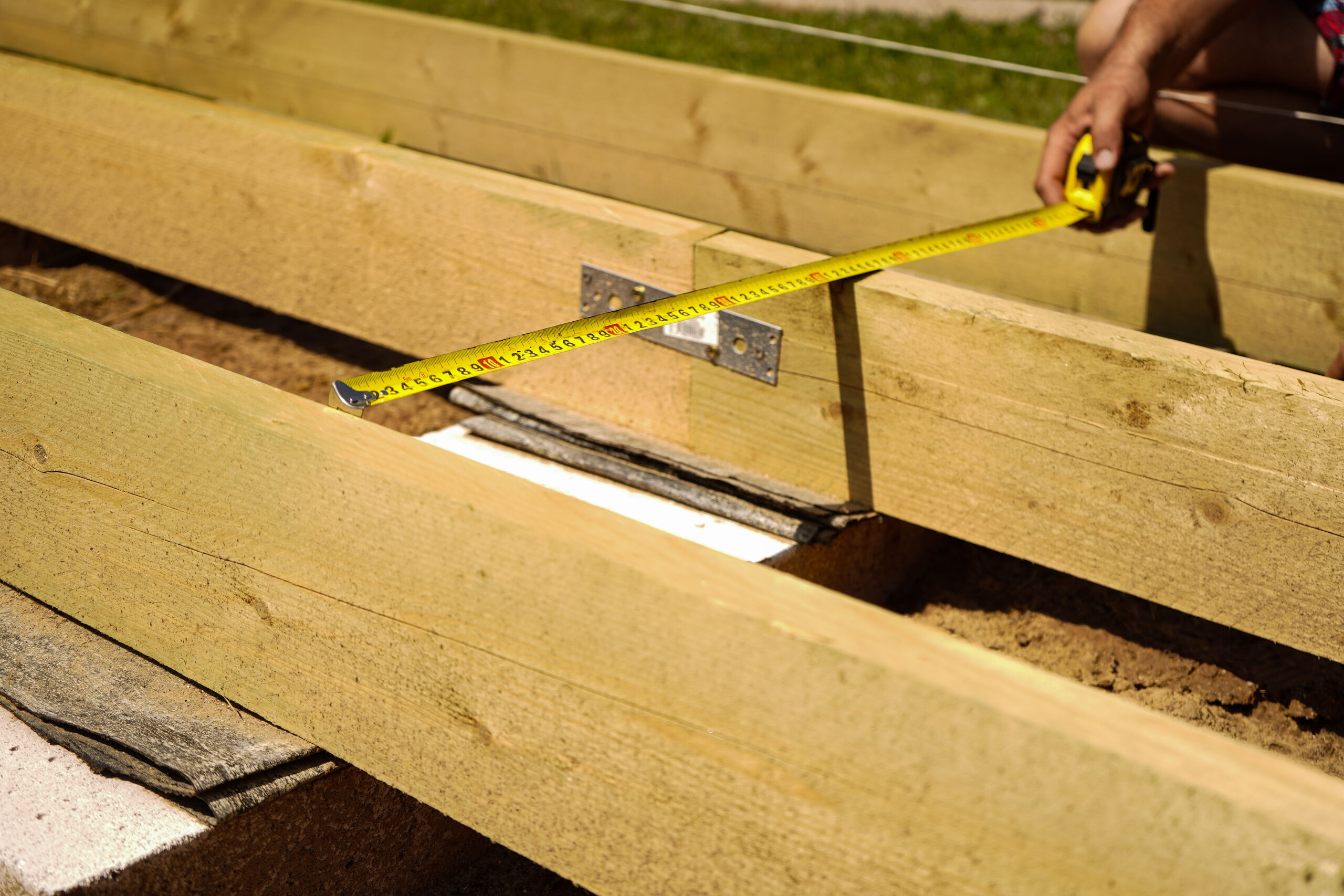
How to Frame a Floor – 4 Important Steps You Must Know
Framing residential floors is a fundamental step in the construction process, providing the foundation for the entire structure above. Learning how to frame a floor is beneficial to anyone looking to tackle their personal home projects or become a tradesman. This overview is designed to help DIY enthusiasts and tradesmen understand the process, including typical joist sizes and how floor joists are supported.
Planning and Layout
If you are just learning how to frame a floor, this first step is crucial. Start by planning the layout of your floor framing. This involves determining the size and spacing of the joists, as well as the placement of any openings for stairs, plumbing, or HVAC systems. Accurate measurements and a clear understanding of the building plans are essential. Proper planning ensures that the floor will be structurally sound and capable of supporting the intended loads. Knowing how to frame a floor starts with proper planning and layout.
Selecting Joist Sizes
The size of the floor joists depends on the span they need to cover and the load they must support. Common joist sizes include:
-
-
-
-
-
-
- 2×8 Lumber: Suitable for shorter spans and lighter loads, typically used in smaller rooms or areas with minimal weight.
- 2×10 Lumber: A versatile choice for medium spans and loads, often used in standard residential construction.
- 2×12 Lumber: Ideal for longer spans and heavier loads, providing additional strength and stability.
-
-
-
-
-
When it comes to the topic of how to frame a floor, choosing the right joist size is crucial for ensuring the floor’s durability and safety. It’s important to consult building codes and guidelines to determine the appropriate joist size for your specific project. If this is your first time, or you’re still a little green, building a solid relationship with your codes person is a great long term investment. Let them know you’re experience level and they will be happy to guide you on how to frame a floor properly.
Laying Out the Joists
Mark the positions of the joists on the sill plate or ledger board, typically spaced 16 inches on center. This spacing ensures even distribution of weight and provides adequate support for the subfloor. Using a chalk line or a laser level can help achieve precise alignment. Proper layout is key to maintaining the structural integrity of the floor.
Cutting and Installing Joists
Cut the joists to the appropriate length, ensuring they fit snugly between the supporting beams or walls. Install the joists by nailing or screwing them into place, making sure they are level and properly aligned. It’s important to check for levelness frequently during installation to avoid any unevenness in the floor. Secure connections between joists and supporting structures are essential for a stable floor.
Supporting the Floor Joists
When learning how to frame a floor, its imperative to understand floor joists must be adequately supported to ensure the structural integrity of the floor. Here are the primary methods of support:
Sill Plates and Ledger Boards
Joists are often supported by sill plates or ledger boards attached to the foundation or walls. These provide a stable base for the joists and help distribute the load evenly. Sill plates are typically anchored to the foundation, while ledger boards are fastened to existing walls. Both methods offer strong support and are commonly used in residential construction.
Beams and Girders
In addition to sill plates and ledger boards, beams and girders can be used to support floor joists. Beams run perpendicular to the joists and provide additional support for longer spans. Girders, which are larger and stronger than beams, can support multiple joists and distribute loads over a wider area. Proper placement and secure attachment of beams and girders are crucial for maintaining the floor’s stability.
Joist Hangers
Joist hangers are metal brackets used to attach joists to beams or ledger boards. They provide a secure connection and help distribute the load evenly. Joist hangers come in various sizes and styles to accommodate different joist sizes and configurations. Using joist hangers can simplify the installation process and enhance the overall strength of the floor framing.
Blocking and Bridging
Blocking and bridging are additional methods used to reinforce floor joists. Blocking involves installing short pieces of lumber between joists to prevent them from twisting or shifting. Bridging, which can be made of wood or metal, is installed diagonally between joists to distribute loads and reduce deflection. Both methods contribute to a more stable and durable floor.
Conclusion
Learning and understanding how to frame a floor is a critical aspect of building a safe and sturdy home. By understanding the process and selecting the appropriate materials, DIY enthusiasts and tradesmen can ensure their floor framing is up to code and capable of supporting the structure above. Proper planning, accurate measurements, and secure installation are key to a successful floor framing project. Whether you’re working on a small renovation or a new construction, following these guidelines will help you achieve a strong and reliable floor. If you’re still unsure of how to frame a floor or need assistance in getting your project started or getting it to completion, contact us below.
0 Comments